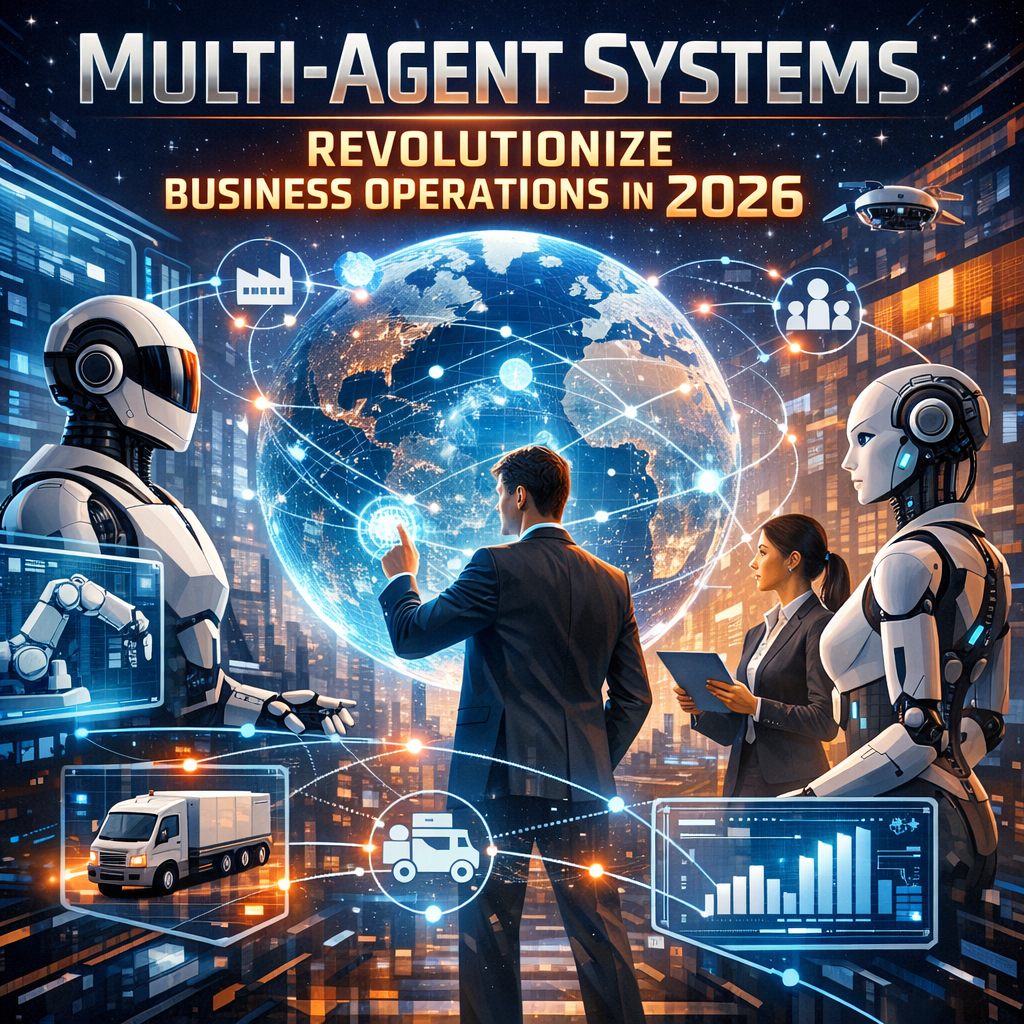
Multi-Agent Systems Revolutionize Business Operations in 2026
How Multi-Agent Systems Transform Business Operations in 2026
As we sail through the decade, the integration of technology in business operations continues to evolve at a breathtaking pace. One of the groundbreaking developments we have witnessed is the rise of multi-agent systems (MAS). In 2026, these systems are not just a futuristic concept but a fundamental component that is steadily transforming business operations across various industries. In this blog post, we explore how multi-agent systems have revolutionized the way businesses operate, emphasizing their benefits in today’s digital landscape.
Understanding Multi-Agent Systems
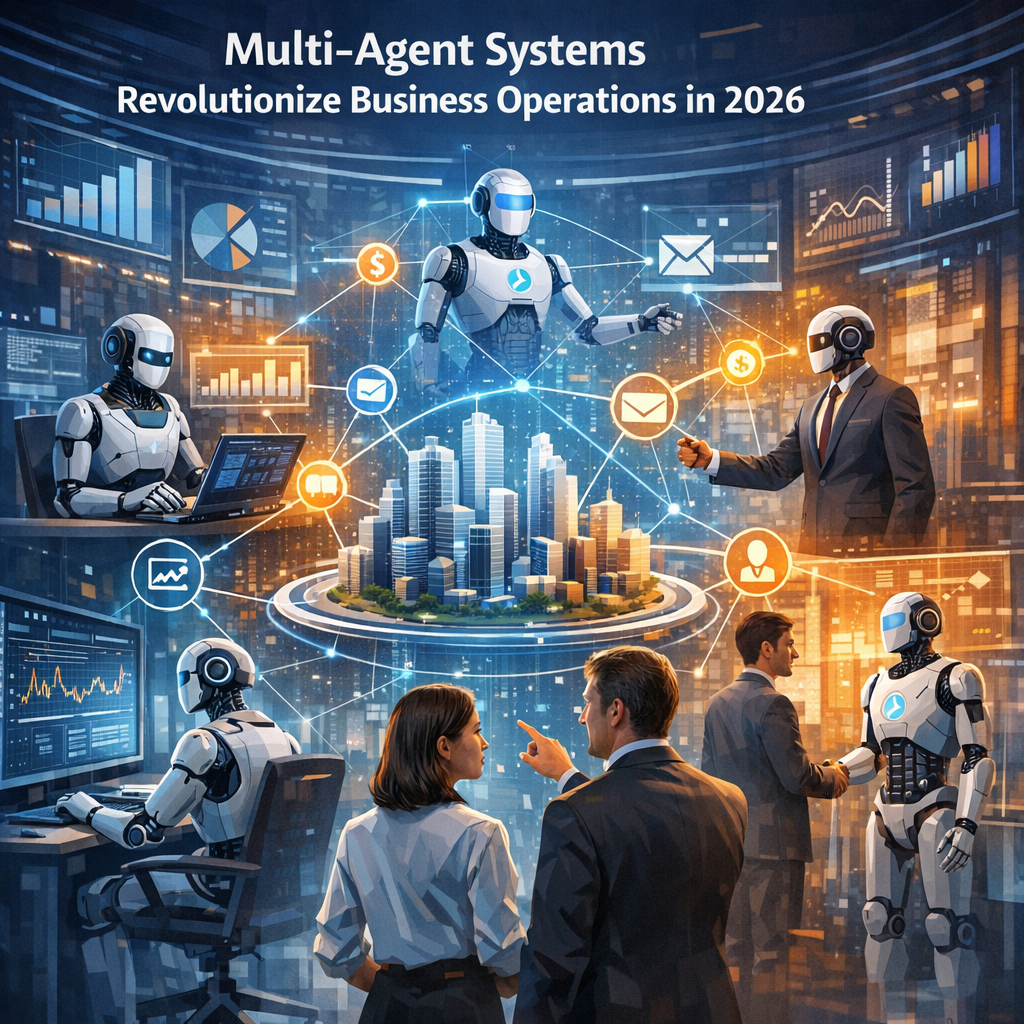
At its core, a multi-agent system consists of multiple interacting intelligent agents. These agents are autonomous entities with the capability to perceive their environment, reason, and take decisions independently while interacting with other agents. The power of MAS lies in the collective behavior of these agents, which can solve complex problems more efficiently than any single agent or traditional computational systems.

Key Features:
- Autonomy: Agents operate independently and have control over their actions.
- Coordination: Despite their independence, they work coherently toward common or complimentary goals.
- Scalability: Effortlessly manages increasing loads by adding more agents to the network.
- Flexibility: Adapts to new changes in the environment without human intervention.
These attributes make multi-agent systems indispensable for businesses that strive for efficiency and adaptability.
Transforming Business Operations
Enhanced Decision Making
In 2026, businesses utilize MAS for better decision-making capabilities. The use of multiple agents allows for gathering diverse data points and perspectives, leading to more well-rounded and insightful decisions. Businesses in sectors like finance, logistics, and retail have reported significant improvements in their strategic planning and problem-solving activities due to the adoption of MAS.

Improved Customer Experience
Multi-agent systems also play a pivotal role in personalizing customer experiences. Agents gather real-time data on customer interactions and preferences. This information is used to tailor services and products, thereby not only meeting customer expectations but often surpassing them. For instance, e-commerce platforms leverage MAS to recommend products, manage inventories, and provide customer support, all in real time.

Automation of Routine Tasks
Automation remains one of the most evident impacts of multi-agent systems in business operations. MAS automates tasks across various levels of operation, from basic administrative tasks to more complex processes like supply chain management or financial trading. This automation reduces the burden of repetitive tasks on staff, allowing them to focus more on creative and strategic roles.
Real-Time Supply Chain Management
One of the most beneficial applications of MAS is in the field of logistics and supply chain management. Agents in a MAS can monitor and analyze supply chains in real time, predict issues, and reroute resources instantly. This ability not only minimizes downtime but also enhances the responsiveness of businesses to market changes and unexpected challenges.
Sustainable Operations
Businesses are increasingly prioritizing sustainability, and MAS are at the forefront of promoting greener business practices. Agents can optimize energy usage and resource allocation in manufacturing and other energy-intensive processes. By improving operational efficiency, MAS significantly reduce wastage and the carbon footprint of businesses.
Challenges and Future Directions
Despite the numerous benefits, the integration of multi-agent systems comes with its own set of challenges. Issues such as data privacy, ethical concerns related to AI, and the complexity of managing such systems need continuous attention. Moreover, as MAS evolve, businesses must keep their workforce skilled in the latest technologies, blending human intuition with machine efficiency.
In conclusion, multi-agent systems in 2026 have reshaped business operations by driving efficiencies, enhancing the customer experience, and promoting sustainable practices. As we continue to explore the potentials of this technology, it is evident that the role of MAS will only deepen and become more sophisticated in the business world. Embracing this change is not just beneficial but essential for businesses aiming to thrive in the rapidly evolving digital era.