
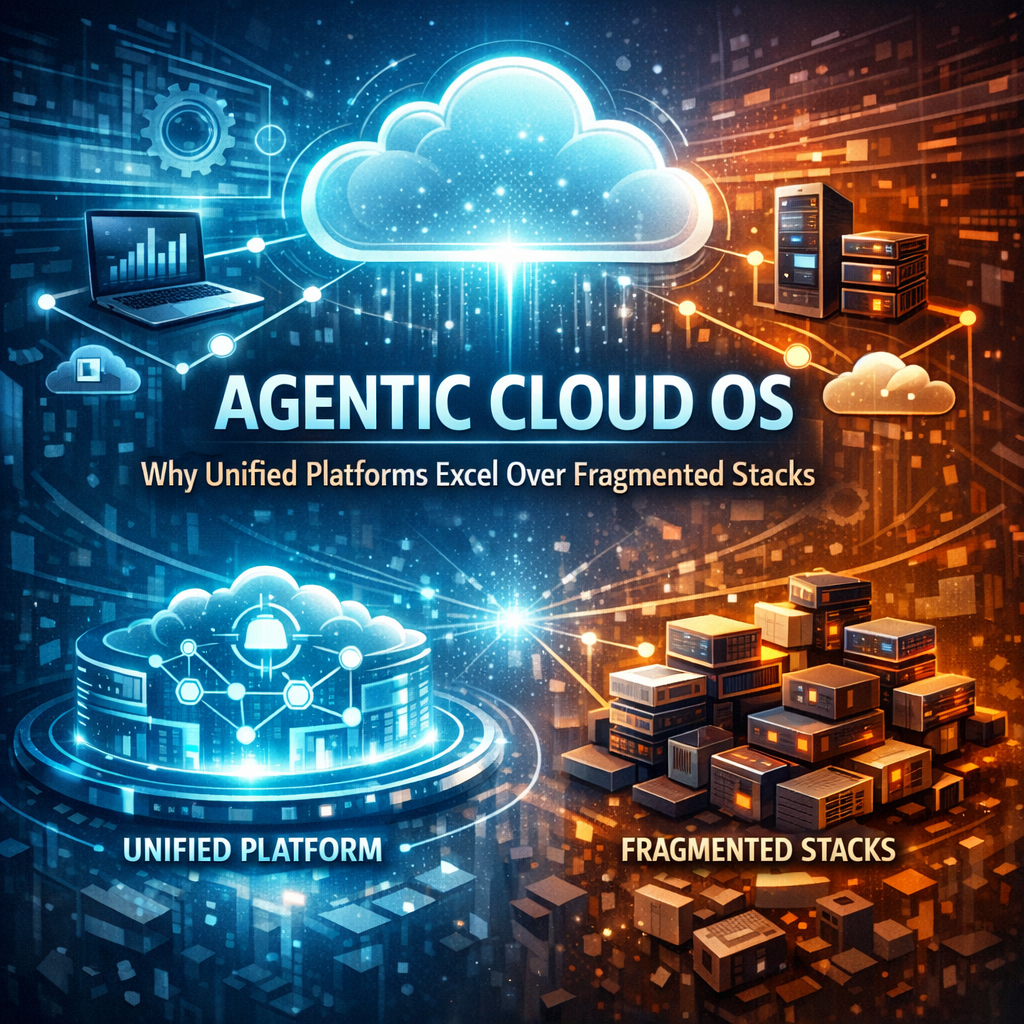
Agentic Cloud OS: Why Unified Platforms Excel Over Fragmented Stacks
The Agentic Cloud OS: Why Unified Platforms Outperform Fragmented Stacks
In the rapidly evolving tech landscape, streamlined operations and efficiency are more critical than ever. Among the myriad solutions attempting to address these needs, unified platforms like the Agentic Cloud OS stand out. Whether you’re managing business operations, IT functions, or software development, integrating your process through a unified platform can drastically improve performance and reduce complexities.
Efficiency in Integration
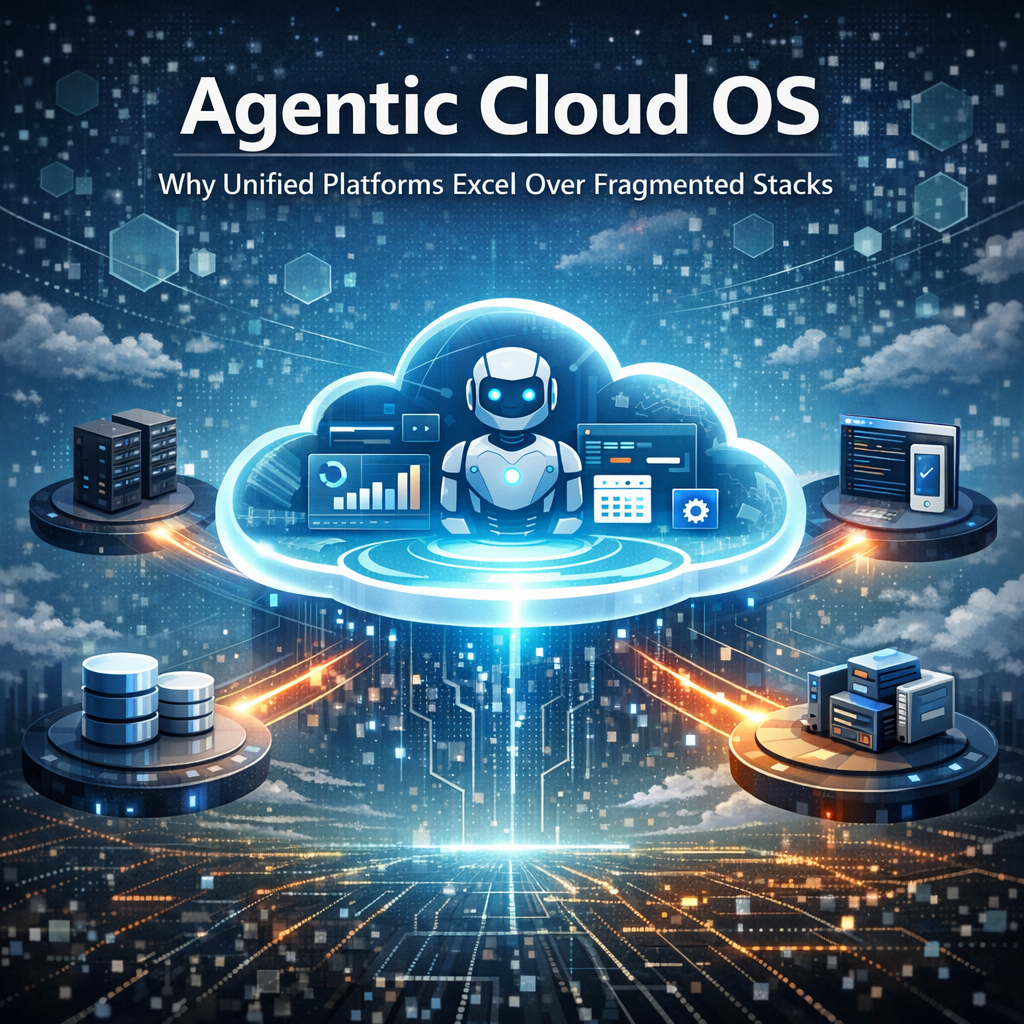
Imagine managing a multitude of tasks each requiring a different tool. It’s not just cumbersome; it’s counterproductive. Unified platforms like the Agentic Cloud OS provide a holistic solution where users can manage all their tasks through a single interface. This integration leads to several benefits:

Simplified Management
With everything in one place, the time and effort spent switching between different systems and solutions are substantially reduced. This single-point control drastically simplifies management, allowing teams to focus more on task execution rather than navigating between apps.
Reduced Costs
Multiple software solutions mean multiple subscriptions, and these costs add up quickly. Unified platforms offer a comprehensive set of tools under one umbrella at a fraction of the cost, providing both budgetary benefits and easier expense tracking.

Streamlined Communications
With a unified approach, communication silos are broken down. Information flows more freely across all levels of operation, ensuring everyone is on the same page and reducing the risk of miscommunication and errors.

Enhanced Security
Fragmented software solutions mean more than just operational inefficiency; they also introduce significant security risks. Each platform has its own security settings, update schedules, and vulnerabilities. Unified platforms address these issues head-on:
Centralized Security Protocols
With a single system, security protocols can be uniformly applied, and tools can be updated simultaneously to combat threats more effectively. This not only tightens security but also simplifies the management of these defenses.
Regular, Simplified Updates
Updating multiple systems can be a logistical nightmare. Unified platforms simplify this process by ensuring that all components are updated together, reducing vulnerabilities through consistency in security patches and software upgrades.
Scalability and Flexibility
As businesses grow, so do their operational needs. The ability to scale efficiently without losing performance is crucial, and here too, unified platforms shine.
Ease of Scalability
Adding new functionalities or expanding operational scope is much easier when everything runs on a single framework. This flexibility allows businesses to adapt more quickly to market changes or operational demands.
Customization
Unified platforms like the Agentic Cloud OS often come with scalable and customizable options, allowing organizations to tailor the system to their specific needs without the hefty costs typically associated with custom solutions.
Advanced Analytics and Insights
Data is the cornerstone of strategic decision-making. Unified systems excel in their ability to gather diverse data points and consolidate them into actionable insights.
Integrated Data Analysis
Instead of siloed data pools, a unified system collects comprehensive data, providing a holistic view of the business operations. This information is crucial for predictive analytics and strategic planning.
Real-Time Reporting
The capability to monitor operations in real-time, with all data points synchronized across the platform, empowers businesses to make quicker, more informed decisions.
Conclusion
The move towards unified platforms like the Agentic Cloud OS represents a significant step forward in managing operational complexities in today’s digital environment. By consolidating essential functions and features into a single, streamlined platform, businesses can enhance operational efficiency, improve security protocols, gain valuable insights, and maintain flexibility in their operations.
In summary, if your business is grappling with the challenges imposed by a fragmented software stack, considering a transition to a unified platform might just be the strategic edge you need.