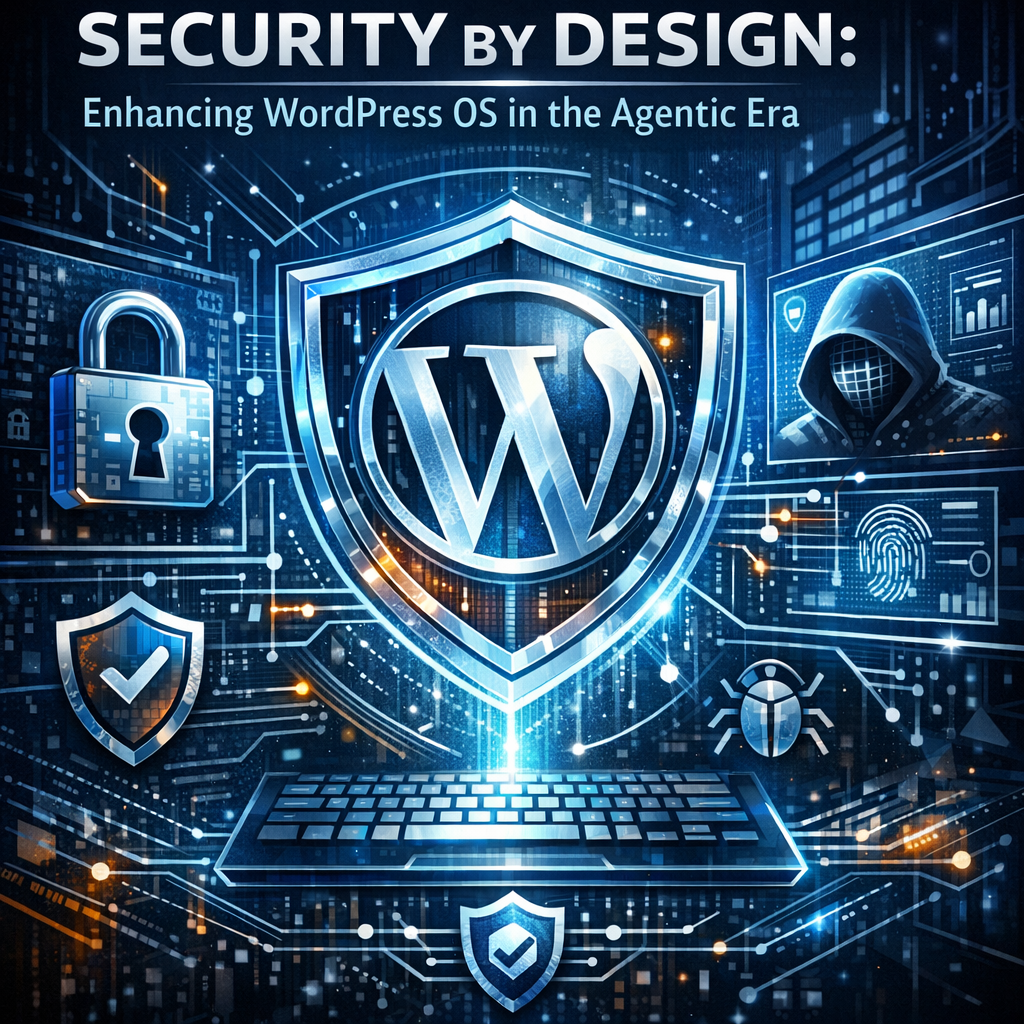
Security by Design: Enhancing WordPress OS in the Agentic Era
Security by Design: How WP OS Reinforces WordPress for the Agentic Era
In the current digital landscape, WordPress powers a significant portion of websites globally, ranging from small personal blogs to large-scale enterprise websites. However, as cyber threats become more sophisticated, the responsibility to secure these digital assets becomes paramount. The concept of “Security by Design” has gained traction among developers and cybersecurity experts as a foundational approach to software development. In this context, WP OS emerges as a transformative solution for enhancing WordPress security and aligning with the demands of the agentic era.
Understanding Security by Design
Security by Design refers to the integration of security features and considerations throughout the software development process, rather than as an afterthought. This approach ensures that security is a core component of the infrastructure, applications, and services from the outset.
Key Characteristics of Security by Design:
- Proactive Defense: Identifying potential security risks and addressing them before they are exploited.
- Principle of Least Privilege: Limiting access rights for users, accounts, and computing processes to only those necessary for specified tasks.
- Continuous Updates and Patch Management: Regularly updating software components to mitigate newly discovered vulnerabilities.
These principles are crucial for developing robust systems that can withstand evolving cybersecurity threats.
WP OS: Elevating WordPress Security
WP OS is a revolutionary platform that enhances WordPress by focusing on comprehensive security measures built into its architecture from the ground up. Here’s how WP OS reinvents WordPress to be safer, more reliable, and better suited for the future demands of the web.
1. Hardened Security by Default
WP OS takes a proactive stance by providing a default configuration that is hardened against attacks. From file permissions and database security to authentication mechanisms, WP OS sets a high standard for default security settings.
Key Features:
- File Integrity Monitoring: Automatically checks and alerts on unauthorized changes to files.
- Secure Default Settings: Optimizes WordPress settings for security, reducing the need for manual security tweaks.
2. Enhanced User Authentication
User authentication is a critical aspect of securing any platform. WP OS introduces advanced features that strengthen user verification processes.
Examples Include:
- Two-Factor Authentication (2FA): Adds an additional layer of security by requiring users to provide two forms of identification before access is granted.
- Biometric Authentication Technologies: Incorporates modern authentication methods, such as fingerprint and facial recognition, enhancing security and user convenience.
3. Automated Security Updates and Patch Management
Keeping software updated is a vital defense against potential vulnerabilities. WP OS automates this process, ensuring that both the core WordPress software and plugins remain up-to-date.
How It Works:
- Automatic Core Updates: Ensures WordPress core is always running the latest version.
- Plugin Safety Checks: Automatically scans and updates plugins while ensuring compatibility and security.
4. Dedicated Firewall and Intrusion Detection
WP OS includes a built-in, WordPress-specific firewall that monitors and blocks suspicious activity in real time. Coupled with an intrusion detection system (IDS), it provides robust protection against a variety of attacks.
Benefits:
- Real-Time Threat Detection: Quickly identifies and mitigates threats before they can impact the website.
- Custom Security Rules: Tailored to WordPress’s specific security needs and vulnerabilities.
5. Encryption Enhancements
To safeguard data integrity and privacy, WP OS introduces advanced encryption protocols for data in transit and at rest.
Encryption Features:
- End-to-End Encryption (E2EE): Ensuring that data sent from WordPress sites is securely encrypted until it reaches the intended recipient.
- Secure Data Storage: Implements strong encryption methodologies to protect data stored on the server.
The Impact of WP OS on WordPress Sites
By adopting WP OS, WordPress site owners can anticipate several benefits that bolster both security and operational performance.
Advantages for Site Owners:
- Increased Trust and Credibility: Enhanced security measures lead to improved trust among users and customers.
- Reduced Maintenance Overhead: Automated updates and security handling decrease the need for constant site maintenance.
- Enhanced Site Performance: Security optimizations can also improve site loading times and reliability, contributing to a better user experience.
Conclusion
WP OS represents a transformative step forward for WordPress, aligning its widespread use with the imperative for strong, proactive security measures in the agentic era. By adopting Security by Design principles, WP OS not only safeguards websites against current threats but also prepares them for future challenges. For any organization relying on WordPress, upgrading to WP OS could be a decisive step towards a more secure and resilient digital presence.