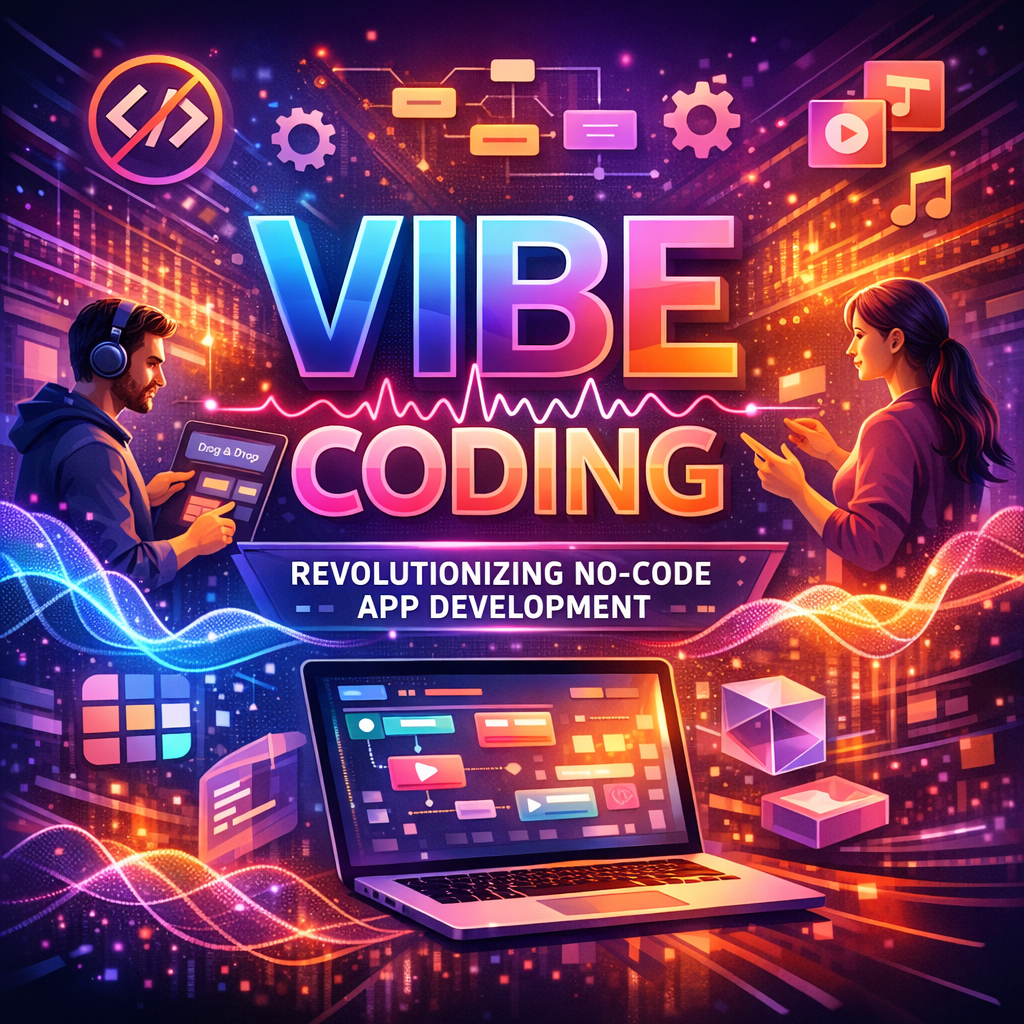
Understanding Vibe Coding: Revolutionizing No-Code App Development
What Vibe Coding Means for the Future of No‑Code App Creation
In an ever-evolving tech landscape, one of the revolutionary developments is the rise of no-code platforms. These platforms have democratized app development, making it accessible to non-technical users and significantly speeding up the process for developers. A relatively new concept, “Vibe Coding”, is further shaping the future of no-code app creation. This blog will delve into what Vibe Coding is, its implications for no-code platforms, and how it may influence the future of app development.
Understanding Vibe Coding
What is Vibe Coding?
Vibe Coding is a term coined to describe an intuitive, user-friendly approach to programming where the emphasis is on the visual elements and user experience rather than on traditional coding syntax. It leverages AI and machine learning technologies to interpret user inputs and actions to create functional applications. This approach allows creators to focus on the ‘vibe’ or essence of what they wish to achieve, without getting bogged down by complex codebases.
How Vibe Coding Integrates with No-Code Platforms
No-code platforms traditionally rely on drag-and-drop interfaces, pre-built templates, and simple logic constructions. Vibe Coding enhances these platforms by incorporating AI to intuitively understand the user’s intentions and adjust the app’s elements dynamically. For example, a user might start designing an app for a coffee shop and the platform could suggest optimal layouts and features based on similar successful apps.
Examples of Vibe Coding Applications
Vibe Coding is still in its nascent stages, but its potential applications are vast:
- E-commerce Store Creators: Automatically adjust layouts based on trending designs, suggest integrations based on the type of products, or automate promotions based on user engagement.
- Event Management Apps: Offer design suggestions based on the type of event, predict attendee numbers using similar past events, and integrate seamless ticketing services.
- Educational Tools: Create dynamic learning modules tailored to the student’s learning pace and style, and suggest content modifications based on performance analytics.
Impact of Vibe Coding on No-Code Development
Enhancing User Experience
The primary impact of Vibe Coding on no-code platforms is its potential to significantly enhance the user experience. By understanding the user’s needs through AI-driven analytics, these platforms can offer more personalized suggestions and optimizations, making the development process not only faster but also more effective.
Democratizing App Development
Vibe Coding could further democratize app development by making it even simpler for people without technical backgrounds to create functional, aesthetically pleasing apps. This inclusivity can lead to a surge in app creation, translating into more digital solutions in various sectors such as healthcare, education, and small businesses.
Reducing Time and Cost
The intuitive nature of Vibe Coding could substantially reduce the time and cost associated with app development. Automated recommendations and adjustments mean fewer hours spent tweaking and testing app features, and lower costs in hiring specialist resources.
Challenges and Considerations
Balancing Automation with Creativity
A potential challenge with Vibe Coding is ensuring it does not stifle creativity. While AI can suggest elements based on analytics and data, it’s crucial that users retain the ability to inject personal flair and uniqueness into their apps.
Data Privacy and Security
As with all AI-driven technologies, implementing Vibe Coding raises questions about data privacy and security. No-code platforms will need to ensure that all user data used to train AI models are secure and compliant with global data protection regulations.
Technological Barriers
Despite the advances in AI, the technology required to fully implement Vibe Coding is still developing. Issues such as understanding contextual nuances in user requests or managing complex databases intuitively are areas that need significant technological advancement.
Future Prospects
Industry-Specific Platforms
The future may see more no-code platforms specializing in specific industries, where Vibe Coding could provide tailored functionalities. For instance, a platform specifically for creating apps for the healthcare industry could understand medical terminology and integrate relevant databases.
Collaboration Between AI and Human Designers
A promising approach is a collaboration where AI through Vibe Coding handles the technical grunt work while designers focus on the creative aspects. This synergy could lead to the rise of hybrid development environments that cater to more sophisticated market needs.
Rise of Smarter Apps
As Vibe Coding matures, apps created through no-code tools will become smarter. These apps will not only be personalized but also capable of evolving dynamically based on user interaction and feedback.
Conclusion
Vibe Coding represents a bold step forward in the field of app development, particularly within no-code platforms. Its potential to streamline processes, personalize experiences, and democratize app creation could have far-reaching implications across various industries. However, as with any pioneering technology, it will come with its set of challenges that will need to be navigated thoughtfully. As AI technology progresses and more developers and businesses embrace these tools, the future of no-code app creation looks both exciting and promising.