# From Manual Tasks to Autonomous Workflows: The Copilot Advantage
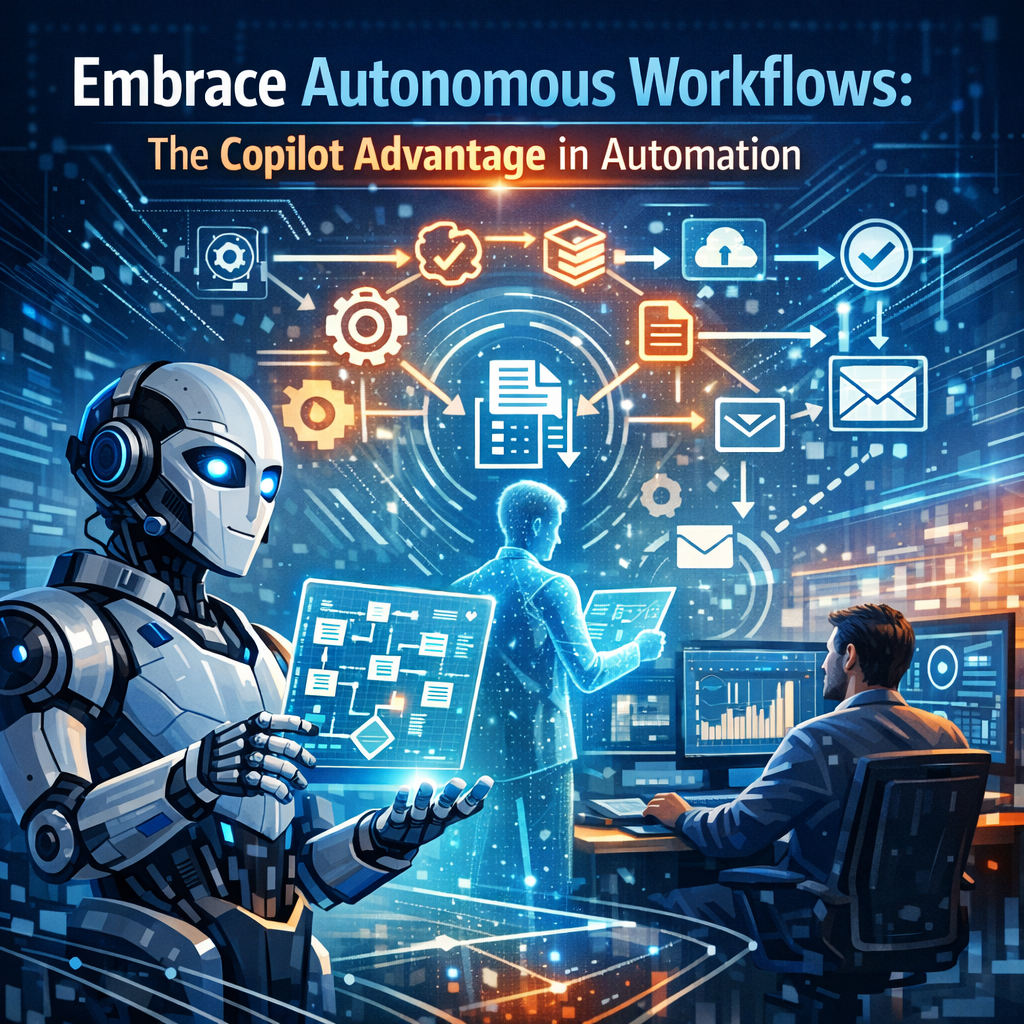
In today's fast-paced world, increasing efficiency and reducing manual labor in business processes is more crucial than ever. Adopting autonomous workflows provides a significant advantage—a concept we like to term "The Copilot Advantage." This transformation from manual tasks to technology-driven solutions not only saves time but also enhances accuracy and scalability.
Understanding the Shift to Autonomous Workflows
The Traditional Manual Methods
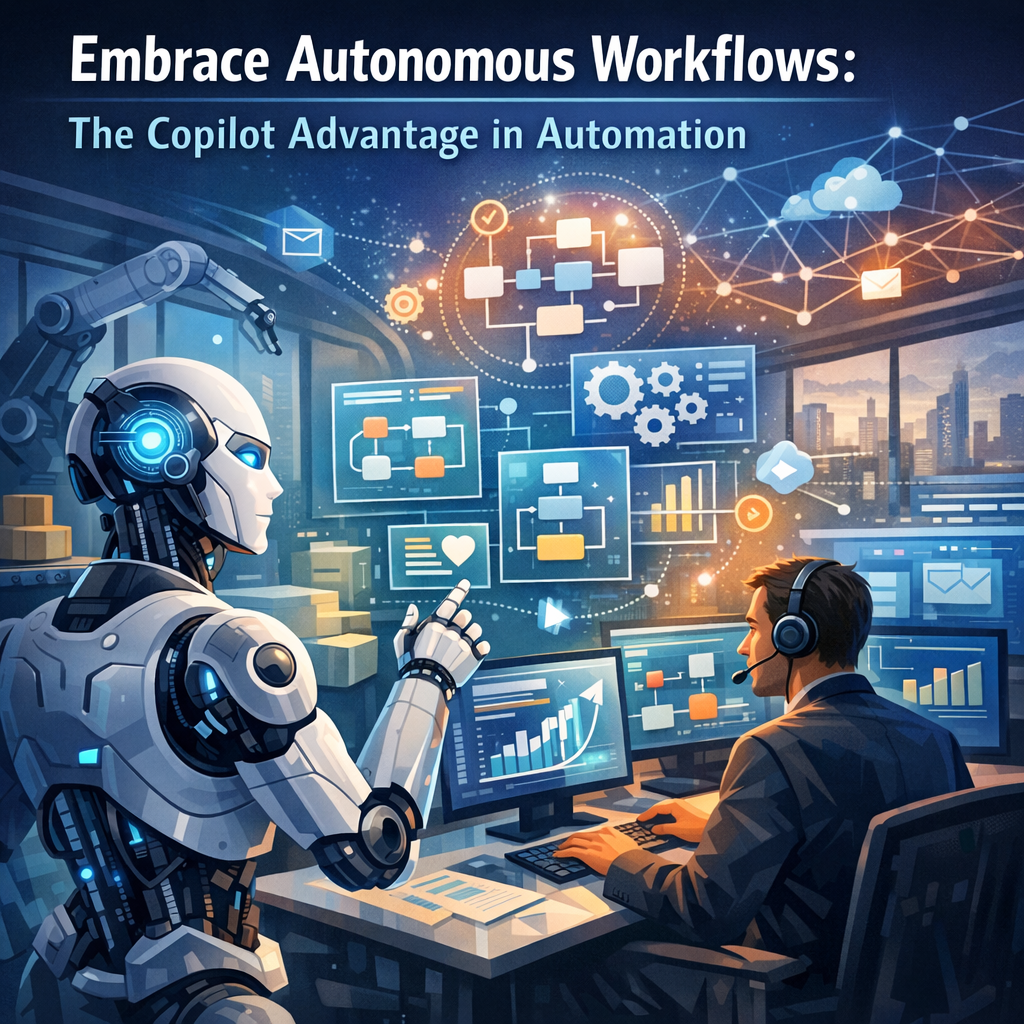
Traditionally, businesses have relied heavily on manual processes to manage operations. These include data entry, customer service, inventory management, and more. While such methods may give a sense of direct control, they are fraught with challenges like human error, slower speeds, and scalability issues.
Embracing the Change
The shift towards autonomous workflows involves leveraging advanced technology to automate routine and complex tasks alike. This transformation aims to reduce human intervention, thereby increasing efficiency and accuracy. With AI, machine learning, IoT, and robotics at the forefront, autonomous systems can now handle tasks ranging from basic data collection to making complex operational decisions.
Benefits of Autonomous Workflows
Increased Efficiency and Productivity
Autonomous workflows streamline operations that traditionally required considerable manpower and time. Automation tools are capable of running 24/7 without fatigue, significantly boosting productivity.
Enhanced Accuracy and Reduced Error
Automated systems are programmed for consistency and precision, reducing the risk of errors that are common in manual processes. This consistency is particularly crucial in areas like manufacturing, where precision is vital.
Scalability and Flexibility
Autonomous workflows bring scalability to business processes. Companies can scale operations up or down without the typical constraints associated with hiring and training staff. Additionally, automation technologies offer the flexibility to adapt quickly to changing business needs.
Cost Reduction
Though the initial investment in autonomous systems might be significant, the long-term savings are substantial. Automation reduces labor costs and also decreases expenses related to errors and inefficiencies, contributing to overall cost effectiveness.
Implementing Autonomous Workflows: The Copilot Advantage
Step 1: Identify Repetitive and Time-Consuming Tasks
The first step in adopting autonomous workflows is to identify tasks that are repetitive and require significant manpower. These might include data entry, scheduling, and customer query responses.
Step 2: Choose the Right Tools
Select tools that best suit your business needs. Solutions could range from simple automation software to more complex AI-driven systems capable of handling multiple tasks autonomously.
Step 3: Integration into Existing Systems
Integrate these automation tools with your existing business systems. This step is crucial for ensuring that the workflow is seamless and that data flows efficiently across all areas of the business.
Step 4: Training and Adaptation
Train your personnel to work with the new autonomous systems. This includes not only learning how to use the software but also understanding how to leverage these tools to enhance productivity and decision-making processes.
Step 5: Continuous Monitoring and Optimisation
Implement regular checks and updates to ensure that the automated systems are functioning correctly and are updated according to the latest technological advancements. Regular monitoring helps in optimizing the processes and ensuring maximum efficiency.
Challenges and Considerations
While transitioning to autonomous workflows presents numerous benefits, it also comes with its set of challenges. Technical issues, initial setup costs, and resistance to change among staff are common hurdles. Ensuring a smooth transition involves strategic planning, gradual implementation, and continuous training and support to adjust to the new systems.
Conclusion
Embracing autonomous workflows is no longer just a futuristic concept but a practical necessity in today’s competitive business environment. With the copilot advantage, companies are better positioned to navigate the complexities of modern markets, ensuring efficiency, scalability, and improved overall performance. As businesses continue to evolve, those who harness the power of automation will find themselves at the forefront of their respective industries.