Why Every Modern Business Needs an AI Copilot Layer
Why Every Modern Business Needs an AI Copilot Layer
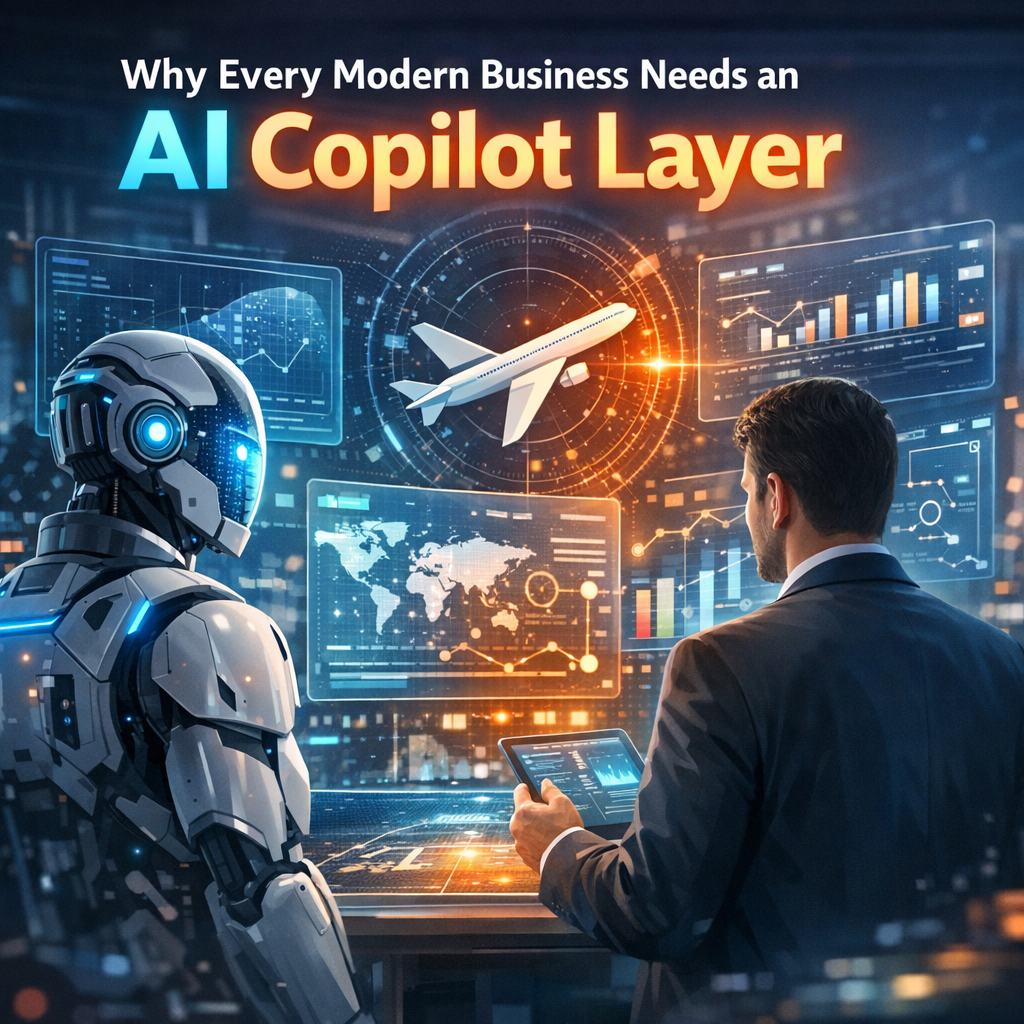
In today’s swiftly evolving business landscape, the reliance on technology has become more pronounced than ever before. Artificial Intelligence (AI) continues to spearhead this technological revolution, offering tools that can significantly enhance decision-making processes, operational efficiency, and ultimately, profitability. One of the most influential AI advancements for businesses today is the integration of an AI copilot layer. This type of system acts as an intelligent assistant that helps businesses operate more efficiently in various ways. This post will dive into why every modern business, irrespective of its size or industry, should consider implementing an AI copilot layer.
Understanding AI Copilot Layers
Before delving deeper, it’s essential to define what an AI copilot layer is. Essentially, it refers to the technological framework that uses AI algorithms to assist with and automate decision-making processes across different levels of a business. This can be anything from data analysis and customer service to more complex operations like inventory management and strategic planning.

Key Functions of AI Copilots
- Data Analysis and Insights: Automatically processes large volumes of data to find trends, predict outcomes, and offer actionable insights.
- Automation of Routine Tasks: Takes over repetitive, time-consuming tasks which can be reliably automated, freeing up human employees for more strategic roles.
- Enhanced Decision Making: Provides decision-makers with refined data insights, helping to reduce errors and improve the quality of decisions.
- Customer Interaction: Manages and personalizes customer interactions at scale, improving customer satisfaction and retention.
Benefits of Integrating AI Copilots
Increased Efficiency and Productivity
Integrating an AI copilot can dramatically increase the efficiency of business operations. By automating routine tasks, businesses can allocate their human resources to more high-value activities that require creative and strategic thinking. For instance, AI can handle data entry, schedule appointments, and even manage email responses, which can save countless hours for employees.
Improved Decision Making
AI copilots can analyze vast amounts of data quickly and with high accuracy, providing businesses with insights that would be difficult or impossible to gather manually. This capability enhances decision-making, ensuring that business strategies are backed by solid data. For example, a retail company can use an AI copilot to analyze shopping patterns and stock levels, optimizing their inventory in real-time to meet customer demand without overstocking.

Enhanced Customer Experiences
AI copilots can also transform how businesses interact with their customers. Chatbots, for instance, can provide 24/7 customer service, handling inquiries, and resolving issues instantly. Moreover, AI-driven personalization tools can tailor the shopping experience for individual customers, recommending products based on previous purchases and browsing behaviors.

Scalability
AI systems can handle tasks at a scale that humans simply cannot match. As your business grows, an AI copilot can manage increased volumes of tasks without the need for proportional increases in human resources. This scalability ensures that businesses can expand efficiently without significant dips in service quality or operational delays.
Implementing an AI Copilot Layer
Adopting AI technology can seem daunting, but there are clear steps that businesses can take to integrate an AI copilot smoothly and effectively.
Assess Your Needs
Understand where your business can benefit most from AI assistance. Is it customer service, data analysis, inventory management, or another area? Identifying key pain points or inefficiency areas can help focus your AI integration efforts for maximum impact.
Choose the Right Tools
There are many AI tools available, but not all will be suited to your specific needs. It’s important to select software that aligns with your business goals and integrates well with your existing systems. Vendors like IBM Watson, Google Cloud AI, and Microsoft Azure AI offer customizable AI solutions that can be tailored to a wide range of business needs.
Plan for Integration
Integrating an AI system into your existing operations can be complex. It involves not only software installation but also a change in workflow and possibly even in organizational structure. Planning this integration carefully, possibly with the help of AI consultants or specialists, is crucial.
Train Your Team
For an AI copilot to be effective, it’s essential that your team knows how to work with it. Investing in training ensures that your employees can make the most of the AI tools at their disposal, leading to better results and smoother operations.
Continuous Evaluation
Finally, continually assess the performance of your AI systems and the business outcomes they facilitate. This ongoing evaluation will help you tweak your approach and tools to better serve your business needs as they evolve.
Conclusion
The rise of AI in the business world is not just a trend, but a significant shift in how companies operate. An AI copilot layer offers a multitude of advantages such as enhanced efficiency, improved decision-making, superior customer experience, and scalability. By understanding and integrating these systems, businesses can stay competitive and nimble in the face of changing market dynamics and evolving technology landscapes. As AI technology continues to develop, its integration into business processes will likely become not just advantageous but essential.